Community Voices
Hunger is most often experienced quietly and managed privately. These voices reflect the lived realities of people navigating food insecurity in their own words, on their own terms. By listening to these stories, we see how hunger intersects with work, family, health, and community, and why understanding hunger accurately requires hearing directly from those closest to it.
Kimberly Kinerd, Stephenville, Texas
"I heard my mother ask the neighbors for salt. But we had salt at home. I asked her why she asked the neighbors for salt. And she replied: 'Because our neighbors don't have much money and they often ask us for something. From time to time, I also ask them for something small and economical, so that they feel that we need them too. That way, they will feel more comfortable, and it will be easier to keep asking us for anything they need.'" Source
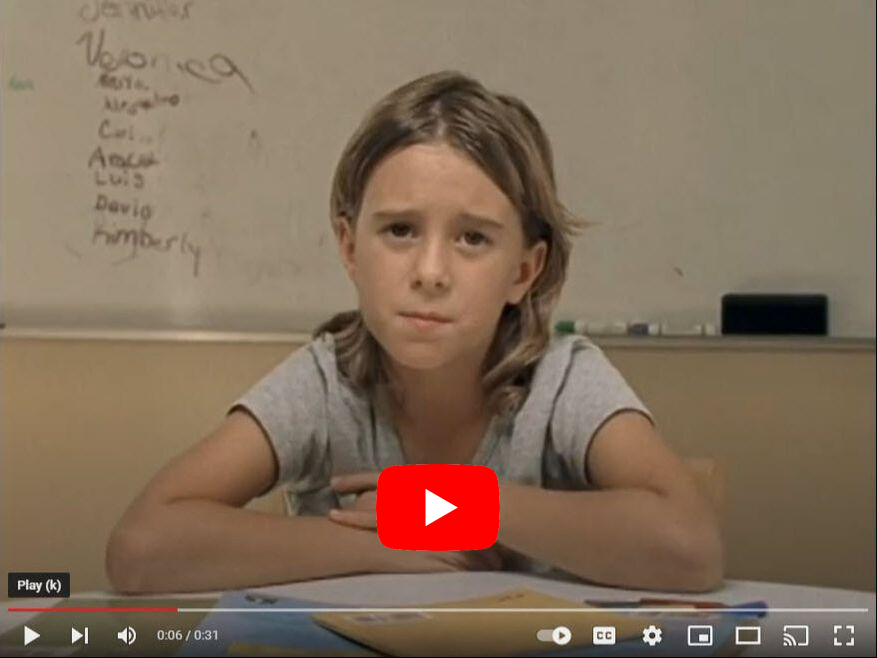
Joel Roy, Aroostook County, Maine
"I started having medical issues beyond what I already had because my diet consisted of frozen meals you buy at the grocery store. My hands were starting to cripple...I can't turn knobs anymore and cooking became a challenge at the time. I didn’t yet have a home care worker. Well, what’s wrong with those frozen meals? After eating them for a couple of years, [because of] the salt content, my body started blowing up. I'm only 65; I still got a lot of life to go." Source
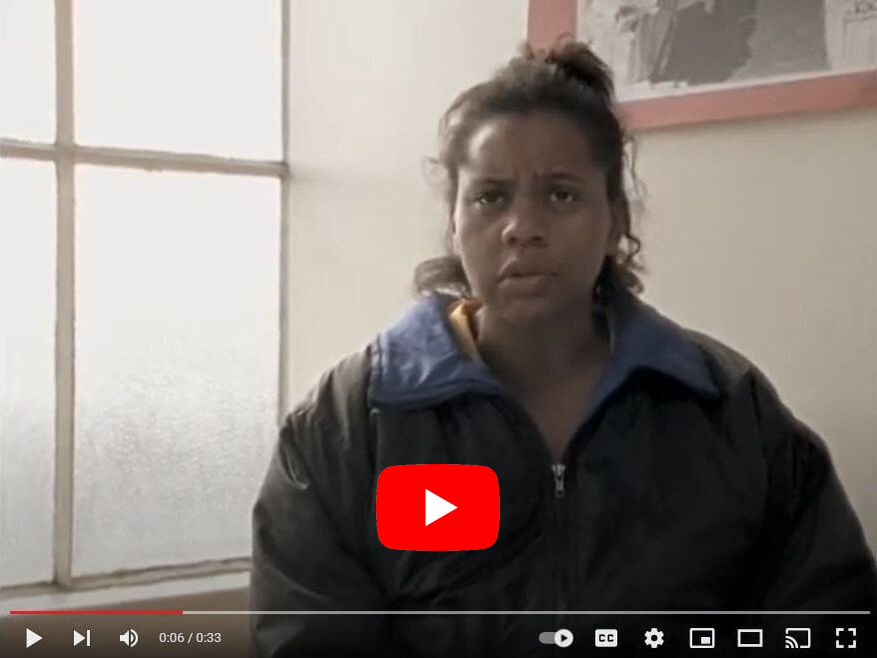
Justin Franks, Alabama A&M Student who started a dorm food pantry
"A group of students had always been going to bed hungry. The cafeteria here closes pretty early, and a lot of students here don't have the money to go outside of campus to eat. I wanted to cater to those students. After I posted about it on Facebook, it just exploded from there. We started getting donations from so many people: sororities, alumni and others in the community." Source
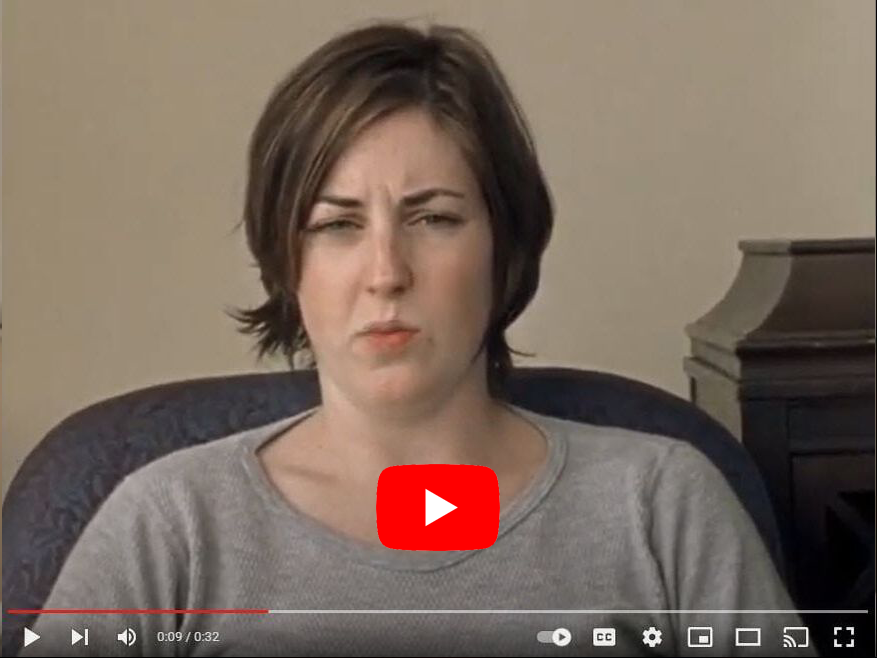
Jake Hill, Eastern Shoshone Reservation, Wyoming
"Feeding our kids hasn't always been easy. When you're hit financially, there's nothing more scary than when you've got to figure out how to feed your kids. One day we'll make a big meal, then have leftovers for dinner the next day, and then have it for lunch the next. We try to teach our children to be thankful for everything." Source
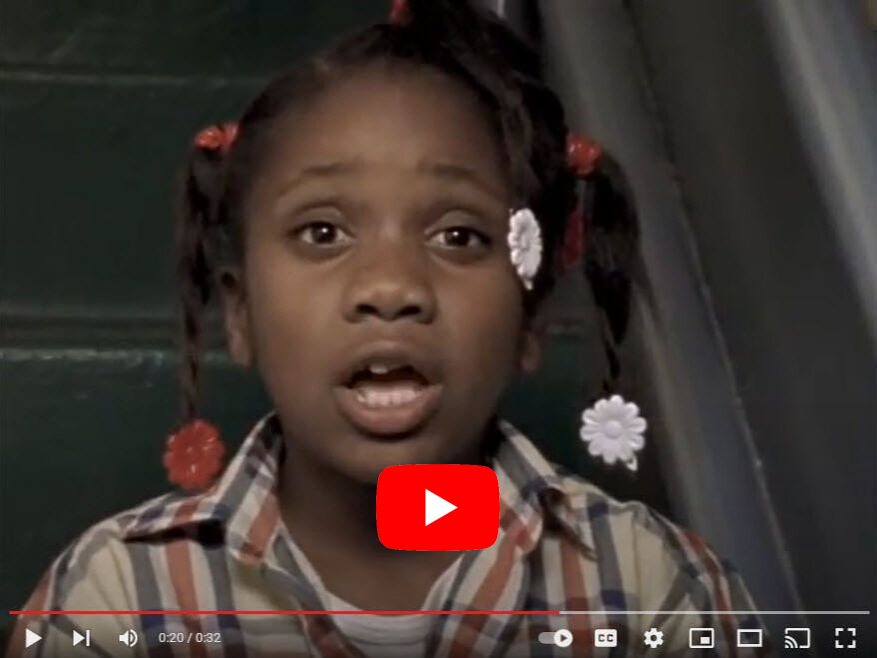
Alma Hall, Los Angeles, California
"Before I was a volunteer (LA Regional Food Bank), I was in this line waiting for food. I know what it’s like to be in need of help. The happiness you see on peoples’ faces when you give them food is why I do this. I can go home and know I did something good today. Their smiles make me come back and continue to support them." Source
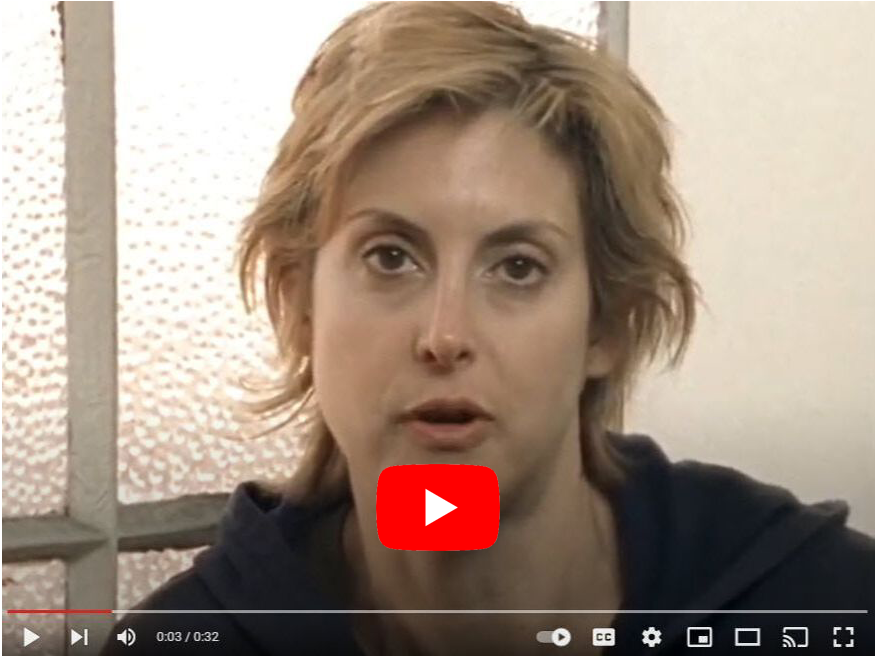
Robert Font, San Antonio, Texas
(Grandfather raising six kids) "Those kids are what I live for. Not having their parents in their lives, I know that’s hard. If I didn’t have those summer meals, it would be difficult, but we could get it done. But the meals help because I never have to worry about them eating, because I know they’ll have some food.” Source
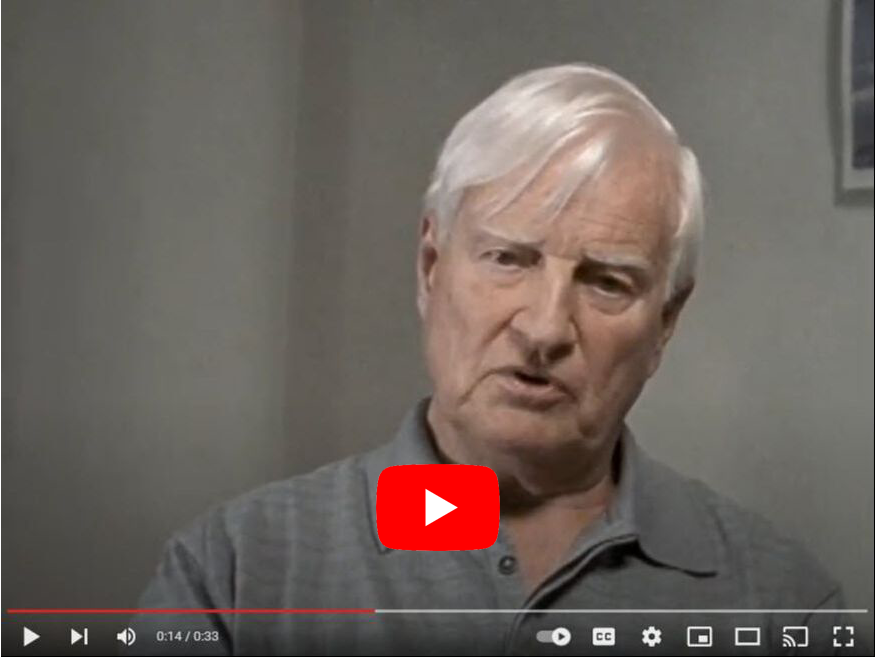
George Duarte, Newton, Massachusetts
“I know what it’s like when getting food and you see a smile on someone’s face. It makes you feel good. Just like we smile when we get it. These people donating, they give us our respect back. I’m thankful. I really am, and I want these donors to know, hey, we thank you. I say, if I ever [have money to give], I’ll be donating to these places. I’ll be helping. I’ll be giving out food like crazy.” Source
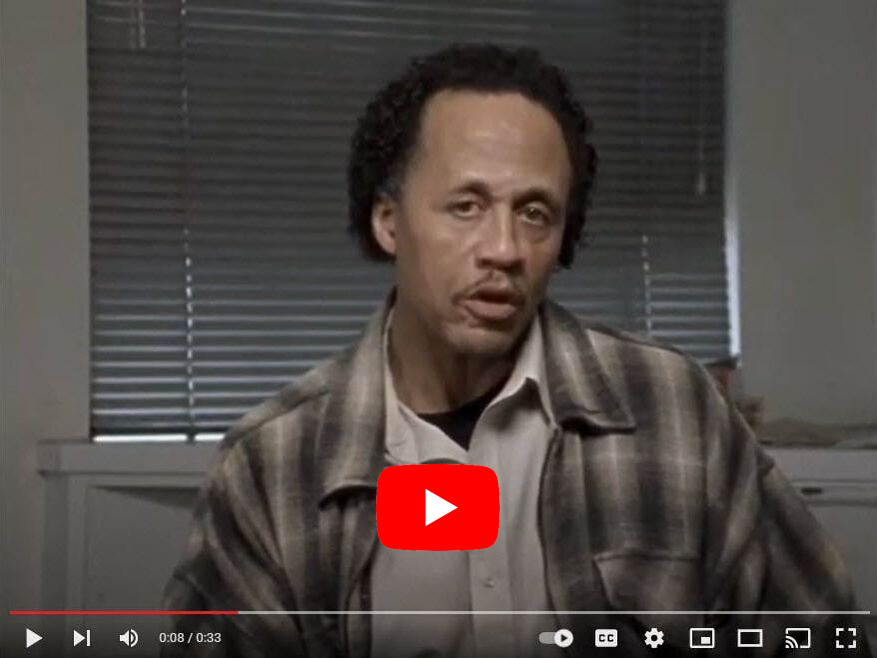
Layla Santiago, Jacksonville, Florida
"I know there’s other mothers like me that don’t have transportation, that may need the food but just can’t get to it. I'm trying to take my kids to a summer meal program at the local library and stretching what I have left in the pantry each month. I have to try to find a way with my kids. I’m trying my best. But … it’s still not enough.” Source